First-Timer’s FAQ: Everything You Need to Know About Climbing Mount Batur
My name is Wayan Oka. I grew up on a family coffee farm near the base of Gunung Batur, where the black volcanic soil drinks the morning mist long before the sun reaches the crater. Over the years, I have walked thousands of travellers up our sacred mountain. Many arrive at our village gates with quiet worries, asking whether they are fit enough for the trail or what happens in the dark hours before sunrise. Climbing this sacred ground is much like nurturing coffee plants from seedlings to harvest; it requires patience, respect for the earth, and a steady pace. Let us walk through the practical truths of your first ascent so you can step onto the path with a calm mind.
How Hard is the Climb Really?
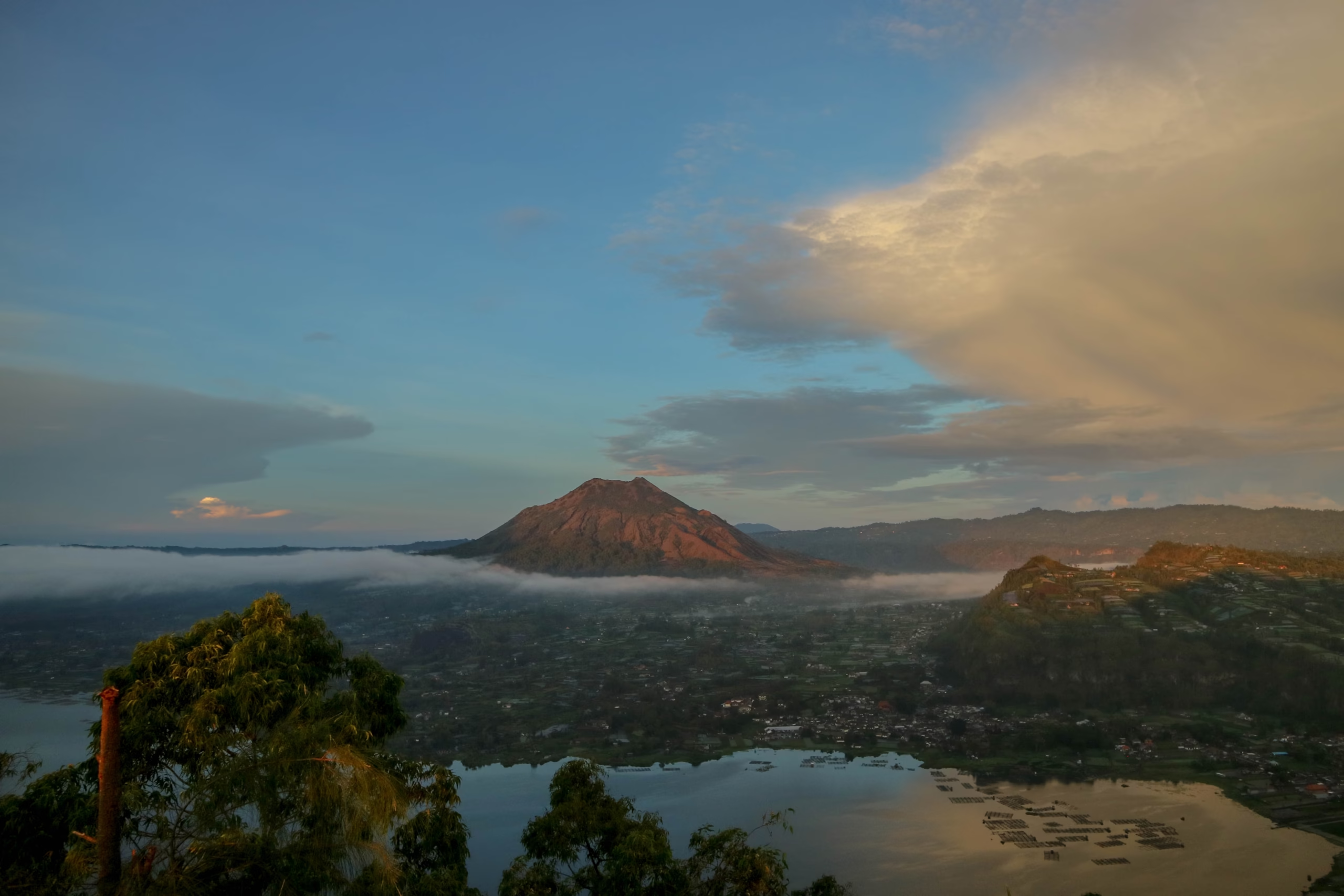
If you are wondering is mount batur difficult to climb, the answer depends entirely on your daily activity level. The trail gains roughly 500 metres of elevation over a distance of three kilometres, reaching a summit height of 1,717 metres above sea level. For someone who walks regularly, the physical demand is moderate rather than punishing. You do not need to be an elite athlete, but you do need comfortable footwear and a willingness to breathe deeply on the steeper inclines.
People often ask if is mount batur for beginners, and I always reassure them that hundreds of first-time hikers complete the trek every morning. We move slowly, one deliberate step after another, following the rhythm of the mountain rather than rushing to reach the crater. Altitude sickness is extremely rare at this height because 1,717 metres is far below the elevation where atmospheric pressure causes severe symptoms, though you might feel slightly breathless from the cardiovascular effort.
Can You Climb Mount Batur Solo Without a Guide?
Questions about independent trekking come up frequently among independent travellers. Under local village regulations enforced by the desa adat (traditional village authority) and the Association of Mount Batur Trekking Guides, solo hiking without a registered guide is strictly prohibited. This rule protects your safety on loose volcanic gravel and supports the families who have farmed and protected these slopes for generations.
Attempting to climb on your own can lead to confrontation at trail checkpoints or getting lost in darkness on unmapped lava paths. Having a licensed local guide ensures you navigate the correct routes in the dark while learning about local spiritual traditions directly from those who live here. That is what local guides are there for.
What Time Does the Adventure Actually Begin?
Your journey begins long before the first light appears in the east. Most hikers are collected from their hotel in the middle of the night to reach the starting base at Toya Bungkah by pre-dawn. The exact pick-up schedule depends on where you stay on the island.
| Departure Area | Estimated Pick-Up Time | Travel Time to Base |
|---|---|---|
| Ubud | 01:30 AM | 1 Hour |
| Sanur | 01:00 AM | 1.5 Hours |
| Kuta / Seminyak / Canggu | 12:30 AM | 2 Hours |
| Kintamani / Toya Bungkah | 03:15 AM | 0 Minutes (On-site) |
If you want to understand all the transfer details and private transport options across Bali, look through our guide on how to get to Mount Batur before booking your trip.
How Long Does the Ascent Take?
The standard ascent takes between 1.5 and 2.5 hours, depending on your physical condition and how many times your group stops to rest. The total return trip covers approximately 6 kilometres along the main route. Your guide will match your natural pace, pausing whenever you need to drink water or catch your breath.
There is no award for reaching the top early, and some of teh best moments happen on the dark trail, listening to the mountain breeze move through the pine trees. Moving too fast causes early fatigue, while a steady heel-toe rhythm lets you preserve energy for the final push up the volcanic ridge.
What is the Trail Terrain Like?
The lower section of the trail follows gentle dirt tracks flanked by farmland and wild shrubs. As you progress, the gradient steepens and the ground transitions into dark volcanic ash, loose cinders, and jagged basalt rock. You will trek entirely in darkness using a headlamp provided by your tour operator or guide.
Treat volcanic ash like soft sand. Plant your heel firmly on each step to prevent slipping backward on the steeper switchbacks lah.
Safety is high when you stay on designated paths with an experienced guide. Mount Batur is an active volcano, monitored continuously by Indonesian geophysical agencies, but its current alert status remains stable with no active lava flows present at the summit. You can review current volcanic monitoring status via the VolcanoDiscovery Monitoring Network.
What Should First-Timers Wear and Pack?
Do not let the tropical warmth of coastal Bali mislead you. Summit temperatures before dawn regularly hover between 10 and 15 degrees Celsius, and wind chill along the crater rim makes it feel significantly colder. Proper layering is key to remaining comfortable throughout the morning.
- Clothing: Wear a breathable base layer, add a fleece jacket or hoodie, and pack a light windproof jacket. Wear comfortable long pants or athletic leggings.
- Footwear: Running shoes with good tread or light hiking boots are essential. Avoid smooth sneakers or slip-on shoes on loose gravel.
- Personal Items: Carry small cash (Indonesian Rupiah) for summit tea or warm drinks, a bottle of water, camera, and basic personal hygiene items.
Female hikers often ask can you hike mount batur on your period. The answer is yes, absolutely. There are no religious prohibitions preventing women from hiking the mountain while menstruating, though out of respect you should avoid entering sacred temple compounds (pura) located along the base trails. Pack sealed sanitary bags and personal wipes, as waste must be carried down the mountain to protect the environment. For complete details on gear selection, consult our full guide on what to pack and wear for Mount Batur.
Are There Restrooms or Facilities Along the Trail?
A common concern for nervous hikers is are there toilets on mount batur. Simple outdoor squat toilets are located near the registration posts at the base in Toya Bungkah. On the trail itself, facilities are non-existent until you reach the basic wooden warungs near the crater rim.
The summit warungs offer basic pit toilets for a small fee (usually 5,000 to 10,000 IDR). Because supplies are hauled up the mountain on foot, running water is limited, so bring your own tissue paper and hand sanitiser. It pays to carry extra packking materials to keep your waste contained in your daypack.
What Happens at the Summit?
Reaching the summit before sunrise gives you time to rest while your guide prepares breakfast over geothermal heat. Steam vents scattered along the crater rim emit natural volcanic steam hot enough to cook eggs and steam bananas in small woven baskets.
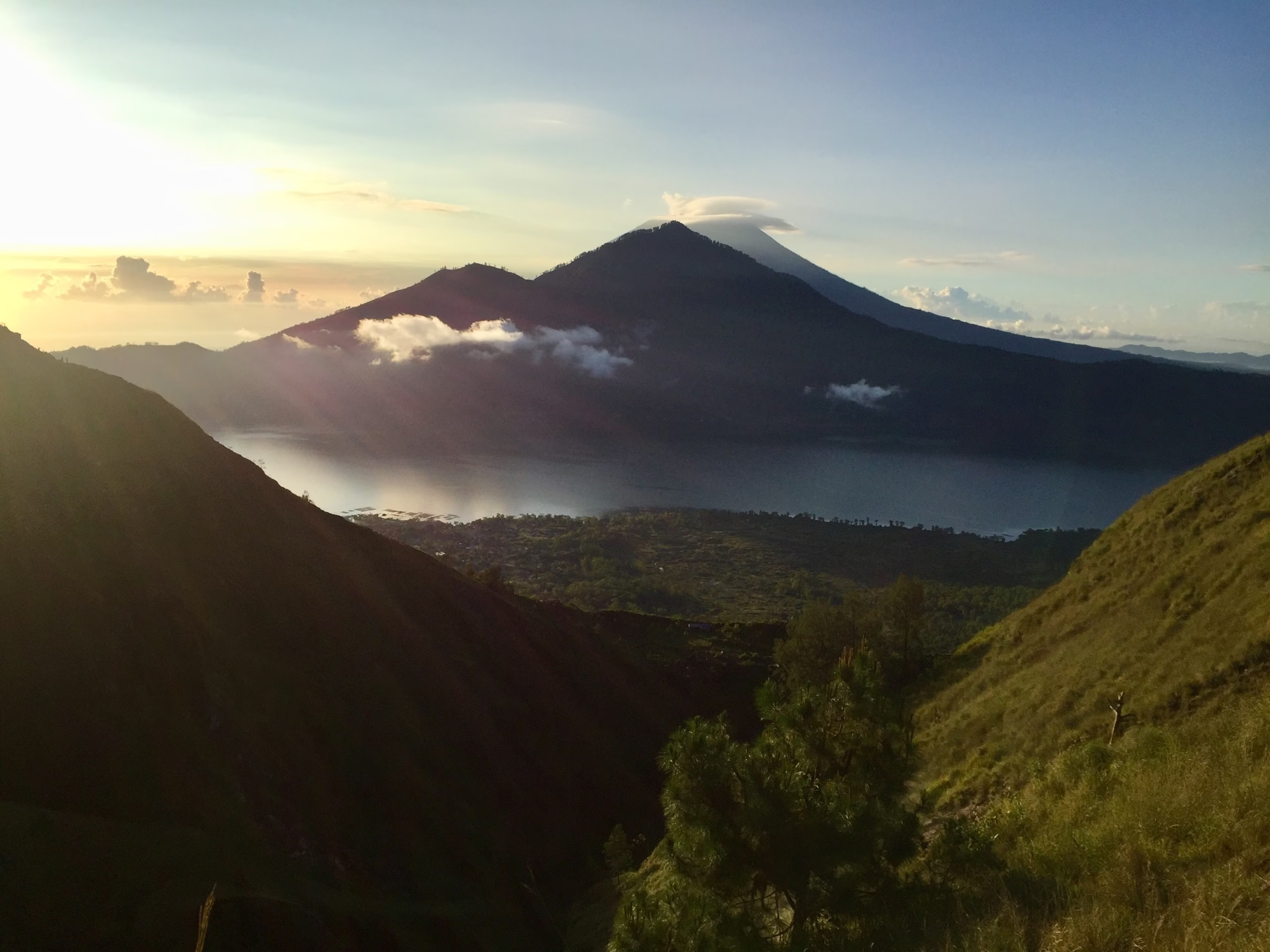
As daylight breaks, the sky shifts from dark purple to warm gold, revealing panoramic views across Lake Batur, Mount Abang, and the silhouette of Mount Agung. On clear mornings, you can see across the Lombok Strait to the outline of Mount Rinjani. You will also encounter friendly long-tailed macaques near the crater rim; keep your food secured, as these monkeys are quick to snatch unattended snacks.
Is the Descent Harder Than the Climb?
Many hikers find the descent more demanding on their leg muscles than the climb up. Walking downhill over loose volcanic ash and skree requires constant balance and quadriceps engagement. Sliding slightly in soft ash is normal, so take short steps and keep your knees bent to absorb impact.
If you have joint issues or prefer to skip the physical effort of hiking altogether, you can explore the caldera using a 4×4 vehicle instead. Read our complete comparison between sunrise trekking vs jeep tours to decide which option suits your travel style best.
What is the Best Post-Hike Reward?
After finishing the descent back to Toya Bungkah, nothing relaxes tired muscles like bathing in the natural geothermal hot springs along the shore of Lake Batur. The mineral waters flow directly from thermal vents inside the volcano, holding a comfortable temperature between 38 and 40 degrees Celsius.
Soaking in the pools while looking back up at the crater rim you just climbed completes the morning experience. You can learn more about pool options and admission details in our feature on unwinding in natural hot springs after your trek.
Cultural Etiquette and Respect
Mount Batur is not merely an adventure destination; it is a sacred living landscape for the Balinese Hindu community. The volcano is considered the spiritual dwelling place of Lord Brahma, and small offerings (canang sari) are placed along the paths every morning by local guides.
Show respect by keeping your voice modest, carrying all trash back down, and avoiding climbing on sacred stone shrines along the crater rim. Always follow official visitor advice provided by the Wonderful Indonesia Tourism Board and regional authorities. To review mandatory conduct guidelines and village policies, read our dedicated page on visitor rules and guidelines.
Stepping onto Mount Batur for the first time is an experience that stays with you long after the volcanic dust is washed from your boots. With an open spirit and a steady pace, you will find the journey rewarding from the first step in the dark to the morning sun over the lake. Whenever you are ready to plan your trip, explore our main tickets and tour options page to find licensed local guides who will welcome you to our ancestral home.