What to Pack and Wear for Your Mount Batur Sunrise Hike
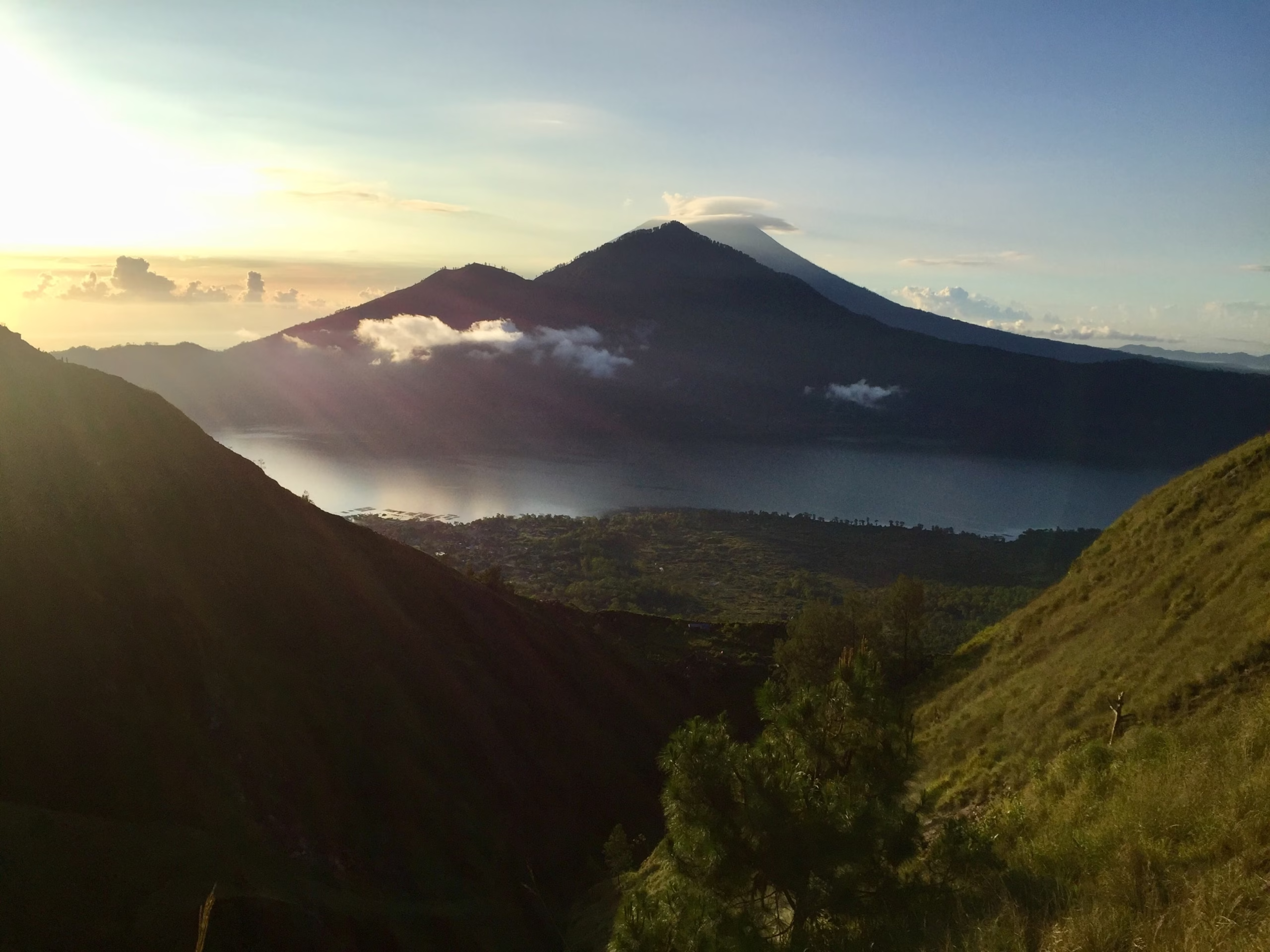
Many travellers step off the plane in Denpasar expecting tropical heat everywhere across Bali, but the mountain air of Kintamani tells a very different story before dawn. Mount Batur stands at 1,717 metres above sea level, and standing on the caldera rim before sunrise reveals an alpine chill that surprises almost every first-time visitor. Down on the beaches of Seminyak or in the forested streets of Ubud, evening temperatures stay warm and humid. Up here, wind sweeps off Lake Batur, dropping the summit temperature to between 10°C and 15°C before the sun breaks the horizon. My family has farmed Arabica coffee beans in the volcanic soil at the base of this peak for generations, and I have seen countless hikers shivering at the summit simply because they trusted a general weather forecast for southern Bali. Proper preparation separates a miserable, teeth-chattering wait from an unforgettable sunrise above the clouds.
Understanding the Climate: From Tropical Warmth to Caldera Chill
Understanding what to prepare for mount batur begins with understanding the drastic microclimate created by the caldera elevation. Weather data from the Indonesian Agency for Meteorology, Climatology, and Geophysics (BMKG) shows that temperatures in the Kintamani highlands drop significantly lower than coastal areas year-round. Between May and October, during the dry season, clear night skies cause radiative cooling, bringing summit temperatures down toward 10°C. Strong gusts blowing across the open crater can push the wind chill even lower while you sit waiting for dawn.
Hikers frequently ask if they should worry about high altitude problems on this route. If you are wondering can you get altitude sickness from mount batur, the answer is that severe altitude sickness is extremely rare because the summit rests at 1,717 metres. Altitude sickness generally manifests above 2,500 metres. You might feel slightly out of breath during the steep upper sections, but this is due to physical exertion on volcanic ash rather than lack of oxygen. Staying hydrated and pacing yourself keeps your energy steady as you climb.
The Layering Principle: How to Dress for Mount Batur
Learning how to dress for mount batur requires a flexible system of removable layers. When you set off from the base village around 3:30 AM or 4:00 AM, your body generates intense heat during the initial ascent. You will sweat while moving through the lower forest and sandy switchbacks. If you wear thick, heavy cotton garments, that sweat gets trapped next to your skin, making you intensely cold as soon as you stop walking at the summit. Just as coffee cherries require balanced shade to mature through cold mountain nights, your body needs adaptable thermal regulation to stay comfortable during rapid climate changes.
1. Moisture-Wicking Base Layer
Wear a light synthetic performance t-shirt or a high-quality merino wool top. Synthetic polyester and merino fibers pull sweat away from your skin, pushing moisture outward where it can evaporate quickly. Avoid heavy cotton t-shirts entirely, as wet cotton acts like a cold towel against your chest once the crater wind hits you.
2. Insulating Mid-Layer
Pack a lightweight fleece jacket or breathable wool sweater inside your daypack. Put this layer on when you transition from the lower forest to the open upper slopes, where the tree cover thins out and the air cools down rapidly.
3. Windproof Outer Shell
Your top layer must be a dedicated windbreaker or lightweight rain jacket. The summit rim has no trees or structures to block the wind. Blocking that freezing wind chill is key to staying warm while eating breakfast at the top.
4. Flexible Lower Body Wear
Wear stretch-fit trekking pants or durable athletic leggings. Long trousers protect your shins from flying gravel and sharp basalt rock if you slip. Denim jeans are too stiff for climbing steep steps and trap moisture when wet.
Footwear Demands: Do You Need Hiking Shoes for Mt Batur?
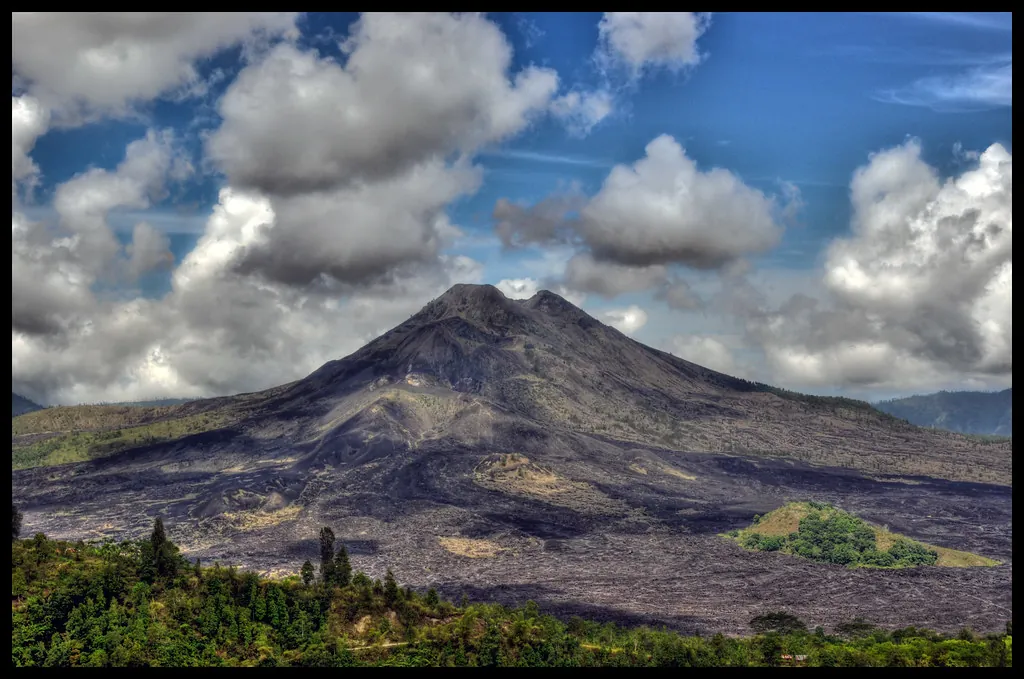
A very common question among travellers is: do you need hiking shoes for mt batur? While you do not necessarily need stiff, high-cut heavy mountaineering boots, smooth flat-soled sneakers or flip-flops are dangerous and unsuited for this terrain. The path consists of loose black volcanic ash, fine gravel, and uneven lava rock. On the steep upper incline, loose scree slides backward underfoot with every step you take.
Trail running shoes or low-cut hiking shoes with deep rubber lugs provide the ideal grip. The aggressive tread bites into the soft volcanic ash, giving you traction during the ascent and preventing skidding on the way down. Pair your footwear with thick merino wool socks that cushion your heels and wick moisture away. Dust and fine black ash will enter your shoes, so bringing a spare pair of clean socks to switch into after the descent keeps your feet comfortable for the rest of the day.
Essential Accessories, Illumination, and Daypack Setup
In addition to correct clothing, selecting Teh right gear inside your packng list keeps your hands free and your journey safe. The pre-dawn trek begins in total darkness, requiring solid illumination from start to finish.
- LED Headlamp: A hands-free headlamp with fresh batteries is vastly superior to a mobile phone flashlight. You will need both hands free to balance across narrow lava ridges and steep rocky steps.
- Beanie and Thin Gloves: A light beanie retains crucial head heat while you sit waiting for the sun to rise. Thin stretch gloves protect your hands when touching cold basalt rock along steep scrambles.
- 10 to 20-Litre Daypack: A small backpack carries your extra layers, camera, water bottle, and personal items without burdening your balance.
- Hydration (1.5 Litres): Carry at least 1 to 1.5 litres of drinking water per person. Sweat loss is significant during the first hour of climbing, and staying hydrated prevents muscle fatigue.
- UV Protection for the Descent: Pack sunglasses, a sun hat, and broad-spectrum sunscreen. Once the sun rises above Mount Abang, the heat on the unshaded black lava slopes builds rapidly.
Practical Amenities and Cultural Guidelines
Mount Batur is not merely an adventure park; it is a revered living volcano considered sacred by the Balinese people. Smaller pura shrines are situated along the trail and near the summit rim where locals make daily offerings. To show respect, keep your shoulders covered when resting near active prayer sites, and avoid stepping on small banana-leaf canang sari offerings placed along the path.
Regarding practical facilities, basic drop toilets are located near the base registration points and at a few small warung shacks along the upper trail. These facilities are rustic, so packing a small travel pack of tissues and a hand sanitiser bottle in your daypack is a smart move. If you want to compare the physical demands of walking against vehicle options, read our detailed breakdown on sunrise trekking vs jeep tours on Mount Batur to choose the right path for your fitness level.
Always review the official visitor rules and guidelines before arriving at the mountain to ensure your trek supports local community guides and adheres to safety protocols enforced by the Ministry of Tourism. This is the trail where most travellers start their climb from.
Post-Hike Comfort: Packing for Toya Bungkah Hot Springs
After descending the volcanic slopes and completing the two-hour walk down, your legs will feel the impact of the steep gravel steps. The traditional way to restore tired muscles is soaking in the natural geothermal springs situated right along the shores of Lake Batur in Toya Bungkah. These mineral-rich waters range between 38°C and 40°C, providing natural warmth after the freezing morning air on the crater rim, lah.
Remember to pack a separate waterproof bag containing a swimsuit, a lightweight microfiber towel, and a full change of clean clothes. Leave this bag in your driver’s vehicle at the base parking area so you do not have to carry extra weight up the summit trail. For details on spring entry tickets and amenities, check our full guide on unwinding in natural hot springs after your trek.
“The volcano demands patience, much like tending young coffee plants through a long dry spell. Pack light, dress in sensible layers, and walk with steady, respectful steps.”
Summary Checklist: Mount Batur Packing Guide
| Item Category | What to Pack & Wear | Why It Matters |
|---|---|---|
| Base Layer | Synthetic or merino wool shirt | Pulls sweat away from skin during steep climb |
| Mid & Outer Layer | Fleece pullover + windproof jacket | Blocks freezing 10°C summit winds before sunrise |
| Bottoms | Trekking pants or athletic leggings | Protects shins from sharp lava rock and ash |
| Footwear | Trail shoes with deep rubber lugs | Grips loose black sand and gravel switchbacks |
| Accessories | Beanie, thin gloves, wool socks | Prevents severe heat loss while waiting at top |
| Lighting | LED Headlamp (hands-free) | Leaves hands free for balance in the dark |
| Hydration & Extras | 1.5L water, tissue pack, sunscreen | Maintains hydration and UV protection on descent |
| Hot Spring Bag | Swimsuit, towel, change of clothes | Relieves sore muscles in Toya Bungkah post-hike |
Organising your gear properly before you sleep the night before ensures a smooth, stress-free departure when your pickup arrives. If you need help arranging transport, local guides, or combined hot spring excursions, visit our main tickets and tour booking portal or review overall transport routes in our how to get to Mount Batur logistics guide.