Growing up on a coffee farm near the slopes of Mount Batur, I learned early that the mountain dictates its own schedule. You cannot rush the harvest of Arabica beans, and similarly, you cannot force a clear sunrise if the weather has other plans. Timing your journey up the caldera requires an understanding of local weather patterns, seasonal shifts, and the daily rhythm of Kintamani. When you plan your visit correctly, the volcano rewards you with crisp air, unobstructed views of Lake Batur, and a quiet moment above the clouds. Exploring the main Mount Batur travel hub gives you a broad foundation, but picking the exact time to step onto the trail is what turns a simple hike into an unforgettable morning.
Understanding Bali’s Dual Seasons
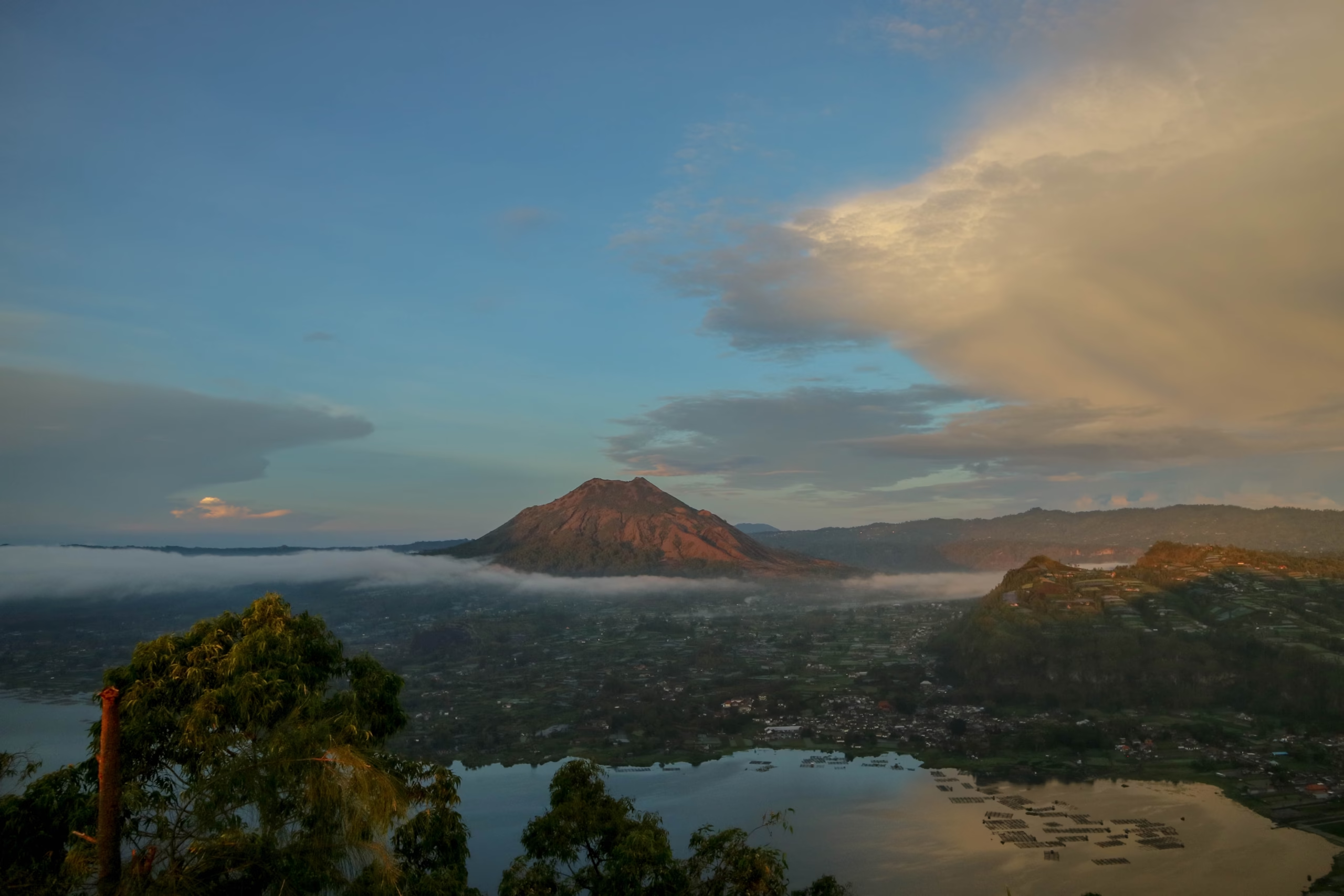
The weather around Kintamani divides into two distinct periods each year. The dry season runs officially from April through October, bringing stable atmospheric conditions, minimal rainfall, and clear pre-dawn visibility. During these months, the volcanic gravel trails remain firm, making the climb predictable for trekkers. Monsoon season spans November to March, bringing frequent afternoon downpours, high humidity, and slippery tracks that demand proper footwear. Finding the mount batur best time to visit means aligning your trip with these weather cycles so you get the clearest views from the summit.
Month-by-Month Weather and Crowd Breakdown
| Month Range | Season Type | Weather Conditions | Average Crowd Level |
|---|---|---|---|
| April – May | Transition to Dry | Pleasantly warm days, occasional brief showers, improving visibility. | Moderate |
| June – August | Peak Dry | Coolest night temperatures, dry trails, consistently clear skies. | Very High |
| September – October | Late Dry | Warm days, steady breezes, very low rainfall probability. | Moderate |
| November – March | Monsoon | Heavy tropical rain, misty mornings, muddy climbing tracks. | Low to Moderate |
The Golden Window: May, June, and September
If you ask any local guide what is the best time to hike mt batur, we will point you toward the shoulder months. May, June, and September provide the dry trail conditions you need without the overwhelming congestion of mid-summer. The air feels fresh, the skies above the caldera open up early, and you can walk at a peaceful rhythm. As we say on the coffee farm, the finest crop comes when you harvest at the exact moment of maturity, neither too early nor too late. Securing your trekking slot during these months allows for an easy pace without competing with long lines of hikers on narrow single-track ridges.
Local Tip: Do not let a cloudy forecast down in Seminyak or Canggu turn you away lah. Kintamani creates its own microclimate, and morning skies on the summit often clear up completely while the coastal plains stay overcast.
Peak Season Realities: Is Mount Batur Busy?
July, August, the Christmas and New Year period, and the Idul Fitri holiday week experience the highest visitor volumes. Travelers often ask is mount batur busy during these periods, and the answer is a definite yes. On peak mornings, hundreds of headlamps line the trail like a crawling snake of light from the volcano base to the crater rim. You can still enjoy the climb, but you must start your trek twenty to thirty minutes earlier than usual to secure a quiet spot at the peak. Before travelling during holiday rushes, checking regional travel alerts on the Wonderful Indonesia official portal helps you anticipate island-wide holiday crowds.
Sunrise Hikes versus Daytime Views
Deciding when to ascend changes your entire experience of the volcano. A classic pre-dawn trek starting around 3:30 AM lets you watch the sun break over Mount Abang and Mount Agung, painting the horizon in pale violet and gold. Daytime hikes offer a completely diferent character. By mid-morning, the crowd has descended, the black lava fields stand out sharply against the blue sky, and you can explore the active crater vents without rushing against the dawn. Before selecting your start time, read our complete breakdown comparing a sunrise trek versus a 4×4 jeep tour to decide which style suits your energy level.
Basecamp Decisions: Mount Batur Stay or Day Trip
A major question for every visitor is whether to arrange a mount batur stay or day trip from southern Bali. Staying locally near the lake gives you extra sleep, whereas commuting from Ubud or Kuta demands a midnight alarm.
Overnight in Toya Bungkah
Lodging direct in Toya Bungkah or central Kintamani eliminates the tiring two-hour car journey from southern Bali. You can wake up at 3:45 AM, meet your guide at the trailhead, and step straight onto the mountain. After descending, you are already steps away from local warungs and lakeside resting spots.
Early Day Trip from Ubud
Choosing a day trip from Ubud means getting picked up between 1:30 AM and 2:30 AM. It keeps you in one hotel for your entire holiday, but the heavy sleep loss is something to prepare for. If your schedule in Bali is short, a private day transfer remains an efficient option.
Weather Realities on the Summit
At 1,717 metres above sea level, high-altitude air drops sharply before dawn. Summit temperatures average between 12°C and 17°C during dry months, and wind chill on the exposed crater rim can make it feel significantly colder. Many travelers arrive wearing thin cotton shirts expecting tropical warmth, only to spend dawn shivering. Check official weather updates from the Indonesian Meteorological Agency (BMKG) before setting out, and consult our guide on what to pack and wear for Mount Batur to layer properly against the mountain wind.
Alternative Options for the Rainy Season
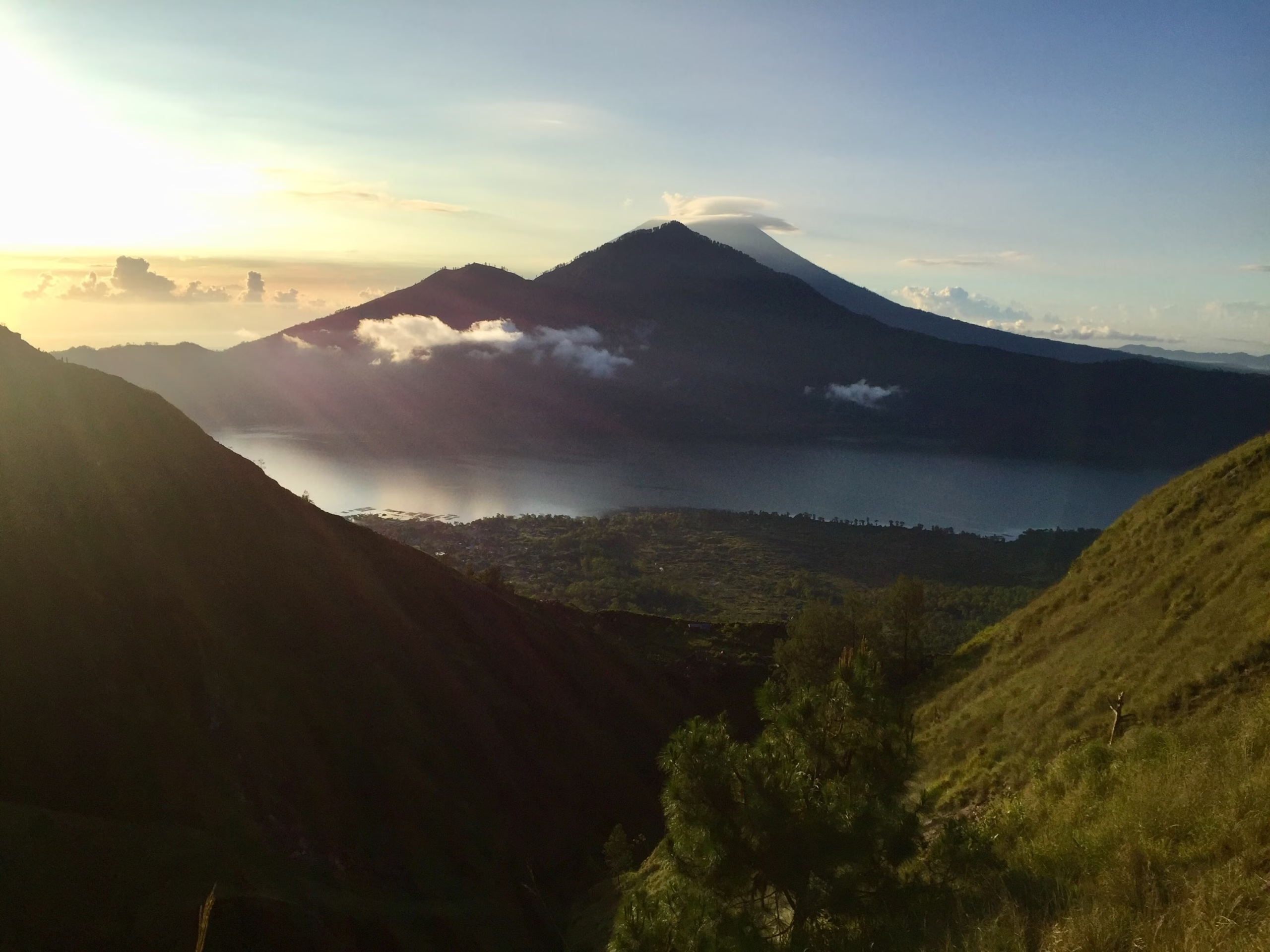
When monsoon rains make steep loose volcanic gravel hazardous, you do not need to cancel your caldera adventure. Shifting to an off-road 4×4 jeep tour allows you to navigate the black lava flows smoothly without slipping on wet slopes. Following the jeep ride, dipping into the mineral hot waters along the lake shore offers complete physical relaxation while rain rolls over the mountain. Review our guide to unwinding in natural hot springs or browse our list of caldera activities and experiences to build a flexible wet-season itinerary.
Patience is the foundation of both good coffee and safe mountain exploration. Let teh weather guide your pace.
Local Stewardship and Guide Booking Strategies
Booking your climb through community-based guide associations guarantees that your visit directly supports the families who care for this volcano. Volcanic activity across the archipelago is closely monitored by MAGMA Indonesia, ensuring safe conditions for both residents and visitors. Following local trekking guidelines and mandatory guide policies maintains safety on the mountain trails. To review official mountain guidelines and entrance protocols before booking, take a look at our visitor rules and safety page.
Planning Your Next Step
Whether you aim for crisp shoulder-season morning skies or plan a wet-season jeep trip, setting your dates carefully ensures a smooth experience. Visit our tickets and tours page to compare options and book certified local guides for your hike.